Auto glass tends to fade into the background until something goes wrong. A ping off the highway, a hot day followed by a thunderstorm, or a stray soccer ball, and suddenly you are calculating costs and trying to keep rain out of the cabin. Preventative care is quieter work, but it saves money, reduces risk, and often keeps your vehicle looking newer for longer. After two decades working around auto glass in the Piedmont Triad, including countless jobs across High Point, I have seen which habits make a windshield last and which ones invite cracks, leaks, and fogging. The good news: you do not need expensive equipment or exotic products. You need a routine, a few smart choices, and a sense for when to call a professional.
What a windshield is actually doing for you
A windshield is a structural component, not just a windbreaker. Modern vehicles rely on it to help the roof resist collapse during a rollover and to provide a stable surface for passenger airbags to deploy. In many models, the windshield contributes 20 to 30 percent of the vehicle’s front-end structural integrity. Laminated safety glass, which sandwiches a plastic interlayer between two glass sheets, keeps shards in place when damaged and can prevent ejections in a crash. When people defer a small crack for months, they sometimes forget that they are also deferring part of the car’s structure.
Side and rear windows are often tempered glass. They shatter into small beads on impact for safety, but that also means a chip cannot be repaired and the panel must be replaced if compromised. This difference matters when you weigh repair timing, emergency response, and insurance decisions.
Why glass fails before its time
Gem-like chips and wandering cracks are the end result of stresses that accumulate. The usual culprits come from three buckets: physical impact, thermal stress, and chemical or mechanical wear.
Road debris is the obvious source. On I-74 or Wendover Avenue, a gravel truck can spray fine pebbles for miles. But I see just as many chips from tires kicking up debris in construction zones or newly resurfaced streets where small aggregate hasn’t fully settled. The first sign is often a star break, bullseye, or tiny pit. Left alone, those can stay stable for months if they are shallow. They also can run overnight after a cool front. The deciding factors are depth, location, and contamination.
Thermal stress is sneaky. Glass expands with heat and contracts with cold, and it does not do so evenly. If you park in direct summer sun then blast the A/C at full cold, you create a sharp temperature gradient across the pane. In winter, pouring hot water on an icy windshield, or cranking defrost to maximum heat on glass still below freezing, does the same. Those swings magnify existing microfractures and can pop a marginal chip into a line that walks across the field of view.
Then there is wear and neglect. Wiper blades age quietly. After six to twelve months, rubber hardens, picks up grit, and starts to chatter. Each pass becomes a fine abrasive stroke. Over time that polishes tracks into the glass, which scatter light at night and during rain. It is not dramatic, but it is one reason a windshield can look hazy at 60,000 miles even without a direct chip.
Finally, installation quality matters. A windshield bonded with uneven urethane, wrong primers, or contaminants around the pinch weld will lift, leak, or creak. Some of the worst premature failures I see trace back to cut corners during a previous replacement.
A practical routine that keeps glass healthy
High Point drivers deal with heat, humidity, pollen, and sudden thunderstorms. Those conditions shaped the routine I suggest to customers who want the longest service life without overthinking it.
Clean the glass regularly, but gently. A weekly wash with a pH-balanced car shampoo and soft microfiber removes abrasive dust and tree fallout. Skip household glass cleaners that contain ammonia, which can dry rubber and discolor trim. For stubborn road film, a dedicated automotive glass cleaner followed by a clay bar pass every few months lifts bonded grime without scratching. Always rinse blades and the cowl area so grit does not ride along shot after shot.
Replace wiper blades two to three times per year, not just when they streak. In spring, after pollen season, blades are often loaded with fine abrasive that you cannot see. If you store outside, heat hardens them faster. Fresh blades reduce optical haze, and they also lessen the jerky motion that can stress a chip.
Mind the coolant, but also the air. When you get into a sunbaked car, start with windows slightly down and the fan on medium for a minute before engaging full cold. It feels old fashioned, yet it prevents a big thermal shock to the glass. In winter, use a plastic scraper for ice, a soft brush for snow, and patience for the defroster to work. Avoid pouring hot water on cold glass, even if you are in a rush for an early shift on North Main.
Protect parked cars from extremes when possible. A covered spot or fabric car cover blocks UV and heat, which reduces the drying of seals and the risk of stress cracks. If you park under trees for shade, weigh that against sap, pollen, and falling twigs. A windshield sunshade is inexpensive insurance, and it also protects interior plastics.
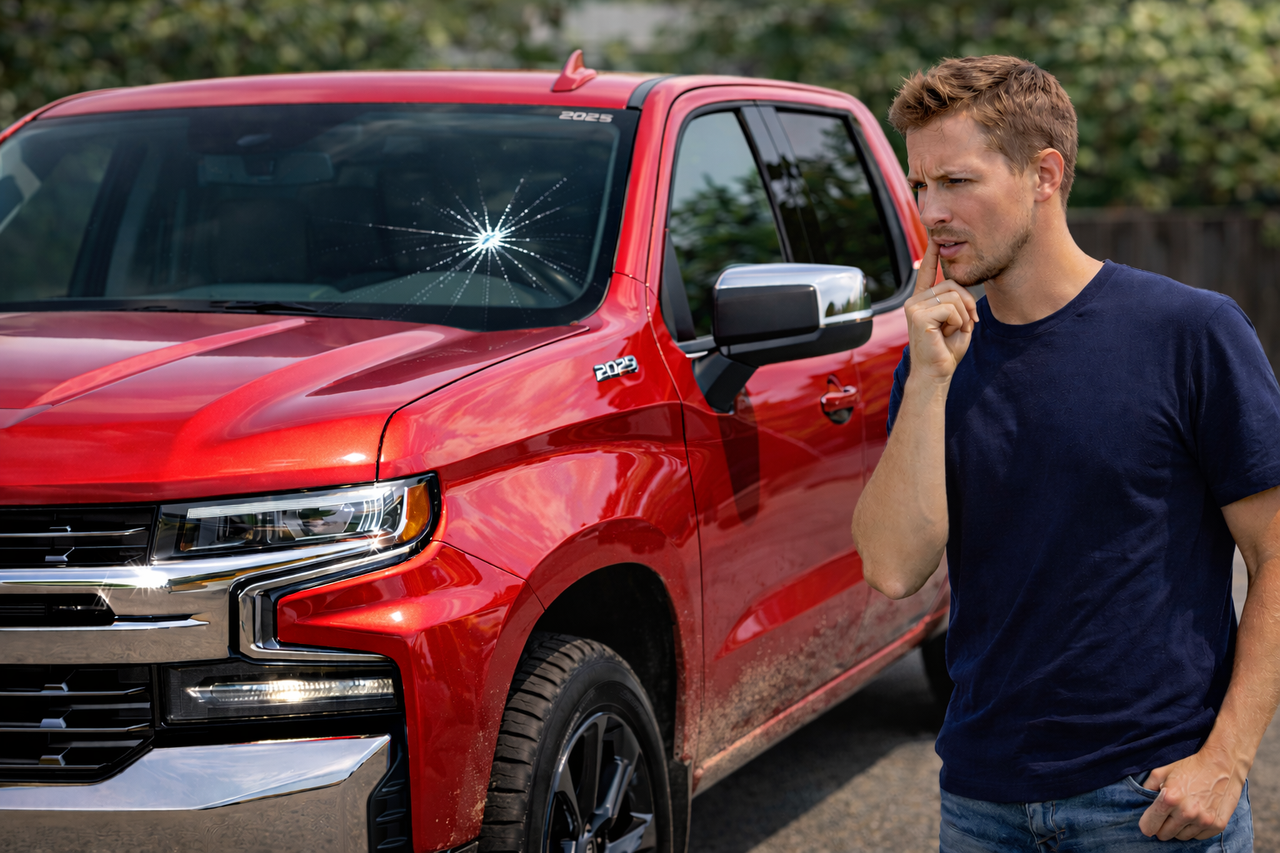
Treat chips immediately, but choose the right setting. A fresh chip is like a cut that needs a bandage before it attracts dirt. If the mark is smaller than a quarter and not in the driver’s primary view, windshield repair in High Point can usually be done in 20 to 40 minutes by a mobile technician. Clear resin fills the void, restores some strength, and often stops the damage from spreading. If you wait, dirt and moisture infiltrate the microfractures, which reduces the cosmetic outcome and the repair’s staying power.
When a repair makes sense, and when it does not
There are boundaries to what resin can fix reliably. Depth and location decide the call more than diameter does.
If a crack is shorter than roughly 6 inches, sits away from the edge, and does not intersect an existing repair, I would usually attempt a save. The edge is special. Windshield replacement High Point A crack that runs to the border of the glass is under higher stress because that is where the windshield anchors to the frame. Edge cracks have a higher chance of propagating even after a careful repair.
Rattles, water leaks, or visible delamination point to larger issues and belong in the replacement column. Delamination shows up as cloudy edges where the glass layers separate in patches. You also have to factor in ADAS. Many vehicles in the Triad shipped with forward-facing cameras that read lane markings, traffic signs, and distances. If your vehicle uses a camera bracket bonded to the glass and that assembly shifts or detaches, repair alone will not solve the calibration issue.
There are aesthetic considerations too. A well-done repair won’t make a chip vanish. It will leave a small blemish that looks like a faint raindrop. In a leased vehicle near turn-in, that may be acceptable and far cheaper than an early windshield replacement in High Point. If the blemish sits right at eye level and you drive a lot at night, the faint star might bother you no matter how well it was filled. In that case, talk through replacement options.
Replacement done right, and what can go wrong
When a pane must go, the goal is to return the vehicle to its original strength, sealing, and function. That sounds obvious, but the method matters.
Technicians remove exterior trims, cut the old urethane, lift the glass, and clean the pinch weld. Good shops do not just slap down new glue. They inspect for rust, treat any bare metal with the right primer, and follow specific cure times for the urethane in that day’s humidity and temperature. There is also glass quality. OEM glass carries the vehicle maker’s mark and matches tint, frit band, and acoustic layers. High quality aftermarket glass can perform well, but ultra-cheap panels may distort or have wavy optical zones. I have stood in front of windshields that look fine stationary but bend lane markings at 45 mph. On a long I-85 drive, that distortion fatigues your eyes.
For many modern vehicles, windshield replacement in High Point also now includes recalibration of the forward camera or sensors. There are two basic methods. Static calibration uses targets set at measured distances in a controlled bay. Dynamic calibration involves road driving at set speeds while the system recalibrates itself. Some cars require both. Skipping calibration can leave lane keeping systems unreliable, even if the driver does not notice immediately. Any shop doing auto glass replacement in High Point should be upfront about calibration capability and whether they do it in house or coordinate with a dealer.
After installation, cure times are not suggestions. The urethane needs time to achieve safe drive-away strength. Depending on the product and weather, that can be 30 minutes to several hours. If a shop tells you to wait, wait. Slamming a door too soon can pop a corner and invite a leak. I tell customers to roll the windows down just a crack for the first day to reduce cabin pressure spikes.
Matching service to situation in High Point
The Triad’s spread-out geography and the way people use their vehicles shape how you choose service. If a small chip appears on your commute and you can spare an hour in a parking lot, mobile auto glass in High Point is one of the easiest ways to keep a minor issue from growing. Mobile service should feel the same as a shop visit, except for the roof over your head. A reputable technician will ask about a covered area if rain threatens because moisture interferes with resin and urethane. A breezy afternoon is fine, a downpour is not.
If you are dealing with a more serious crack or a replacement that requires camera calibration, a controlled shop environment can be better. Static calibration rigs do not travel well, and controlled lighting helps. For classic or specialty cars, I prefer shop installs because trims are delicate and clip types vary wildly.
Same day auto glass in High Point is realistic for many repairs and straightforward replacements, especially if you call in the morning. That advantage shrinks during peak times like the first week after a hailstorm or when a cold snap follows warm rain. An honest scheduler will set expectations. Emergency auto glass in High Point usually means situations you cannot safely drive with: shattered tempered side windows after a break-in, large cracks blocking the driver’s view, or a windshield that is at risk of caving. For those, temporary measures like vacuuming, covering an opening with painter’s tape plus a polyethylene sheet, and short-term indoor parking can buy you a night until the glass can be sourced.
The weather factor: heat, storms, pollen
Local climate habits play into maintenance. July and August bring long sun exposure. A reflective sunshade and shaded parking cut interior temperatures by 20 to 30 degrees, which also protects seals from drying and shrinking. During spring, pollen forms a sticky layer that combines with moisture into a paste. If you run wipers dry over that, they grind the film into the glass. Quick rinse with a hose before you use the blades helps, even if the car is otherwise dusty.
Thunderstorms and sudden temperature swings are the stress test. If you get caught in a summer downpour after the glass has been baking, do not aim the A/C vents directly at the windshield on max cold. Split the airflow to mid and floor, let the cabin temperature fall, then bring in windshield cooling. In winter, keep an ice scraper handy even if the frost only looks like a light veil. The first seconds of wiper use on frost are prime time for micro-scratching.
Insurance, cost, and timing
North Carolina policies vary. Many comprehensive plans cover windshield repair with little or no deductible, because a fixed chip costs far less than a full replacement. Replacement coverage depends on your deductible and the insurer’s preferred network. If you carry a $500 comprehensive deductible and drive a mid-size sedan, you might find that a quality windshield replacement in High Point costs in the range of $300 to $600 before calibration. Luxury models with acoustic or infrared coatings can go higher. When ADAS calibration enters the picture, add $150 to $400 depending on the system and method.
Call your insurer before committing if cost matters, but do not let phone tag delay a repair for a chip that is spreading. Most auto glass repair in High Point can proceed on a cash basis quickly, and you can submit a claim later if your policy allows. Time of day matters too. Morning repairs keep resin cooler and more cooperative. Midday asphalt heat in a parking lot can thin resin and make curing tricky.
Common mistakes that shorten glass life
Over the years, the same unforced errors show up.
People pour household cleaners with ammonia on the windshield, which leaches plasticizers from surrounding seals and leaves a film that smears under rain. Others use sponges with a green scouring pad to scrub stubborn bug residue. That pad is fine on cookware, not on glass. A razor blade, used gently at a shallow angle with lubricant, is safer for removing inspection sticker residue or baked-on specks.
Door slamming can be more than rude. With fresh urethane, forceful slams build pressure that can lift a corner of a windshield. Even on older installs, repetitive slamming can aggravate a marginal seal that already has a gap.
Pressure washers, when aimed too close at the edges, can force water into seals and carry grit that erodes the bond line. Aim at a shallow angle, keep distance, and treat edges with respect.
Ignoring small chips because they are not in your line of sight is the silent budget killer. I have watched a quarter-sized bullseye on the passenger side stay calm for weeks, then run to the driver’s side after a cool night. That turns a $100 to $150 repair into a multi-hundred-dollar replacement, plus calibration and downtime.
The value of a good shop relationship
High Point has a mix of national chains and local specialists. The best indicator of quality is not the logo, it is how they answer simple questions. Ask what adhesives they use and their safe drive-away times. Ask whether they replace cowl clips and A-pillar trims or re-use brittle pieces. Ask how they handle ADAS calibration and whether they document it. A shop that welcomes those questions usually takes care at every step.
When you find that shop, stick with them. They will know your vehicle’s quirks, the tint match to your side glass, and whether your model year had a tendency toward stress cracks at the bottom corners. If you need mobile auto glass in High Point for convenience, confirm they carry the same adhesives and parts quality on the truck that they use in the bay.
Small, smart upgrades
You do not need to coat glass with a dozen products, but a few upgrades can pay off. A high quality rain repellent applied to a perfectly clean windshield can improve water beading and reduce wiper use in light rain. Reapply every couple of months, and avoid cheap silicone sprays that smear. If night glare bothers you and your windshield is otherwise in good shape, a professional polish can reduce fine wiper haze. It will not erase deep chips, but it can make rainy night driving less tiring.
For vehicles that live outside, consider replacing the cowl seal if it looks shrunken or cracked. A fresh seal keeps water from pooling at the lower edge of the windshield, which prevents corrosion along the pinch weld. Corrosion is the hidden enemy in older cars, and it can turn a straightforward windshield replacement into a body shop visit.
When to choose repair, replacement, or a stopgap
Here is a concise decision path that aligns with what works on the ground.
- Fresh chip smaller than a quarter, not in the driver’s primary view, not at the edge: schedule windshield repair in High Point within a day or two, ideally with mobile service at your workplace or home. Crack under 6 inches that does not reach the edge: repair is still possible, but do it immediately and accept that a faint line may remain. Any damage intersecting the edge, long cracks, or chips in the driver’s direct line of sight: plan for windshield replacement in High Point and budget for possible camera calibration. Side or rear window damage: tempered glass means car window replacement in High Point is the only safe option. Ask about glass availability early, since some quarter windows and sliders can take a day to source. If weather or schedule prevents immediate service: protect the area from water and dirt. Clear tape over a chip is better than nothing for 24 to 48 hours. Avoid harsh temperature swings until a technician can perform the repair.
What same day and emergency service can realistically handle
Same day auto glass in High Point works well for common windshields, many domestic and Japanese models, and repairs that do not require rare mouldings. Emergency auto glass in High Point comes into play after vandalism, break-ins, or impacts that leave the cabin open to weather. For a shattered front side window, many shops can vacuum the glass, install the new pane, and check regulator function within a couple of hours. For rare models or older imports, side glass may require next-day sourcing. In those cases, a professional temporary cover that avoids adhesive contact with paint or trim makes the difference between a tolerable night and a sticky residue nightmare.
How to keep momentum after service
After a successful repair or replacement, the habits that matter most are simple. Do not wash the car for 24 hours after a replacement, and avoid automatic car washes for a couple of days. Keep windows slightly cracked for the first day if the weather allows. If you had a repair, avoid aggressive squeegeeing directly over the repaired spot for a couple of days to let resin fully cure.
Make a note in your phone for the next blade change. Tie it to oil changes if that helps. Walk around the car monthly, look for faint stress lines near the lower corners of the windshield, and check the rubber along the edges for shrinkage or gaps. That two-minute check catches problems early.
Bringing it together for High Point drivers
Preventative care is mostly about rhythm. A weekly rinse, seasonal blade swaps, gentle thermal habits, and quick action when chips happen. The payoff is a windshield that stays clear longer, fewer night glare headaches, and fewer mornings rearranged to accommodate an avoidable replacement. When you do need help, matching the service to the situation matters. Mobile for quick fixes and light work, shop for complex replacements and calibrations. If you keep those distinctions in mind, you can navigate auto glass repair in High Point without drama.
When something does go wrong, it is not a failure to need a professional. The right technician brings resin, urethane, and know-how that most garages do not stock. Whether it is windshield repair in High Point after a pebble strike, full windshield replacement in High Point with calibration for a late model SUV, or car window repair in High Point after a parking lot mishap, a timely response prevents secondary problems. If your schedule or circumstances demand it, same day auto glass in High Point or even emergency auto glass in High Point is available, and it exists for a reason. The best outcome is always the one where the glass disappears from your thoughts again, doing its job quietly for years.