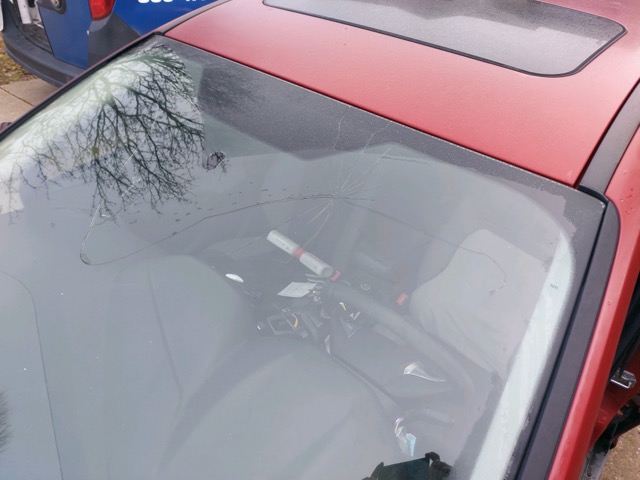
When a rock snaps off a truck’s tire at 70 miles an hour and cracks your windshield, you don’t simply lose a sheet of glass. You lose a vital structural member of the automobile, a calibrated floor for cameras and sensors, and your transparent view of the line. The subsequent choice matters more than maximum drivers realize: do you ask for an OEM windshield or pick an aftermarket option? I’ve spent years around vehicle glass bays and calibration rigs, and I’ve watched each selections play out on economy sedans and six-determine SUVs. The accurate reply isn’t a slogan or a blanket rule. It’s a judgment name, and it relies upon in your automobile, your price range, and how you power.
What “OEM” and “Aftermarket” Really Mean
OEM stands for authentic tools producer. On a windshield, which means the glass was once produced to the automaker’s specification, normally by means of a contractor that delivers the meeting line. It sometimes includes the carmaker’s emblem and the comparable phase wide variety domestic you can discover inside the manufacturing facility constituents catalog. With revolutionary cars, this contains actual frit patterns, acoustic interlayers, tint gradations, and most significantly, the exact geometry and optical readability that the automobile’s Advanced Driver Assistance Systems depend on.
Aftermarket windshields are built by way of unbiased glass brands by means of their own tooling and molds. Good aftermarket producers opposite-engineer the OEM structure and mount facets, then manufacture to meet DOT and ANSI Z26.1 ideas for car glazing. Many of these establishments also furnish OEM glass for different items, so the line between OEM and aftermarket makers is blurrier than so much advertising and marketing indicates. The difference is just not the manufacturer on the furnace, it is the spec, the tooling, and the tolerance stack.
A honest theory: OEM ability it suits the factory spec via definition. Aftermarket can fit, exceed, or fall brief depending on the manufacturer and the installer. The glass industry is broad. There are stellar aftermarket windshields that perform indistinguishably from OEM, and there are cheap panels so that it will make you remorseful about saving a pair hundred money.
Why the Choice Matters Now More Than Ever
Windshields was hassle-free: laminate two items of glass around a plastic layer, curve it to shape, glue it in. You would get away with minor deviations in curvature or tint. Today’s motors use the windshield as a platform for forward-dealing with cameras, rain sensors, heads-up exhibit projectors, and infrared coatings that deal with cabin heat. A flaw you might by no means have observed in 2005 can throw off ADAS calibration through a diploma, or scatter a HUD image just adequate to pressure your eyes on a nighttime power.
The windshield is usually a structural part. In many vans, it contributes 20 to 30 p.c. of the physique shell’s torsional stress, and it performs a position in exact airbag deployment. Bond high quality and glass fitment remember for crash overall performance. This is one reason Auto Glass Replacement is simply not just a beauty activity. You are renewing a security equipment.
What I Look For When Choosing Between OEM and Aftermarket
The first element I ask is how delicate the auto is to glass spec. If it has a monocular or binocular digicam in the back of the rearview mirror, a HUD, or heavy acoustic and solar coatings, OEM gets a more suitable vote. For a base version commuter with out cameras and no HUD, a premium aftermarket piece from a credible manufacturer most often gives you equal functionality for much less dollars.
The moment clear out is the installer. I could relatively put a high quality aftermarket windshield in with a master technician and the accurate urethane than a exact OEM panel with a rushed, messy bond. Good shops degree body starting gaps, dry-in good shape the glass, make sure refreshing primers and urethanes are within shelf lifestyles, and record secure drive-away time headquartered on temperature and humidity. These aren't niceties. They’re the difference between an ideal seal and a wind whistle that makes you hate the automobile at 50 mph.
Finally, I weigh the check in context. On some luxurious models, an OEM windshield can value two to 3 occasions an o.e.m similar. Add calibration and also you should be would becould very well be gazing a four-discern invoice. If your insurance plan covers Windshield Replacement with OEM endorsement, the choice is easy. If you might be paying out of pocket, it turns into a balancing act between beneficial properties, your tolerance for small industry-offs, and resale concerns.
Optical Quality: Clarity, Distortion, and Headaches
Optics are where deficient glass pronounces itself. The maximum universal complaint from a subpar aftermarket windshield is a moderate “funhouse” distortion close to the perimeters or inside the HUD projection discipline. You’ll be aware vertical traces bending as you test due to the glass, or a swimmy impression that tires your eyes. In day by day driving, even a small distortion will likely be extraordinarily fatiguing.
The surest aftermarket windshields benchmark OEM curvature and use tight optical specifications for the period of lamination. In my event, glass from excellent-tier aftermarket makers seems and feels indistinguishable from factory, but mid-tier panels from time to time have localized distortion that annoys tall drivers who sight using the high band of the glass. If you are sensitive to this, OEM is the safer wager, mainly on trucks with good sized, curved windshields like glossy crossovers.
HUD-able cars are one more optical take a look at. OEM windshields for those models encompass a individual PVB interlayer inside the projection sector to keep away from double pictures. Some aftermarket alternate options present HUD-well matched versions. Others do now not, in spite of the fact that they have compatibility the auto. Order the incorrect one and also you’ll get a ghosted speed readout that doubles at evening. If your auto has a HUD, I lean heavily closer to OEM or an o.e.m glass explicitly rated as HUD-well matched.
ADAS and Calibration: The Hidden Variable
Forward collision caution, lane protecting, adaptive cruise, site visitors sign reputation, automated high beams: most of these depend on cameras set up in the back of the windshield. Change the glass and you cross, even microscopically, the optical pathway. After any Windshield Replacement on an ADAS-fitted automotive, you may still plan for calibration. Some automobiles permit dynamic calibration on the road, others require static calibration with a aim board and accurate lights. A handful demand each.
OEM windshields aid considering that the mounting bracket, the frit trend, and the digicam’s viewing window are precisely what the automaker expects. With aftermarket windshields, reliable producers fit those features intently, and calibration succeeds provided that the Union car window glass replacement bracket is accurately placed. I’ve seen low-priced aftermarket glass wherein the digicam mount changed into a degree out of vertical. No amount of calibration voodoo will make that car happy for lengthy. The digicam will glide through the years or fail self-tests.
A very good store verifies calibration with a printout and road exams ADAS services. Budget retail outlets every now and then bypass calibration fully or farm it out devoid of closing the loop. If your dash presentations a camera or ADAS mistakes after a alternative, thrust back instant. Don’t be given “this can relearn” as an excuse except your producer’s service documents states precisely that. Many strategies require specific calibration.
Noise, Heat, and Comfort
Acoustic interlayers make a proper big difference. On long interstate runs I can tell inside of about a miles if a supposedly exact windshield lacks the acoustic layer. The cabin picks up a rough, broadband hiss that was once masked by means of engine noise, but in contemporary quiet cabins it stands proud. OEM glass on mid to high trims pretty much consists of acoustic PVB and infrared reflective coatings. Some aftermarket preferences present equivalents, almost always categorized “acoustic” or “sun” with designated efficiency claims. Read them intently. Ask the store to make sure the half they may be ordering suits the acoustic spec in case your automobile initially had it.
Thermal coatings count number in sizzling climates. Infrared reflecting glass continues the sprint cooler and decreases the blast furnace impact after you first get in. Delete that function and your AC will work tougher. Over a summer season you’ll suppose the big difference.
Fit and Finish: The Subtle Art of Getting It Right
Every windshield has a persona line that have to align with the roof and A-pillars. OEM panels more commonly match with a steady gap, and the cowl trim sits down with no fighting you. A suitable aftermarket panel does the comparable, however shrink-tier glass every now and then displays minor area adaptation that becomes noticeable whilst the moldings won’t clip flush or the demonstrate hole appears wavy. You can still install it, but you’ll see it each time you walk up to the car.
Wind noise is the canary within the coal mine. It can come from sloppy urethane, a missed clip within the A-pillar garnish, or a tumbler structure that simply doesn’t nest completely. On a dual carriageway test, concentrate close the properly corners and alongside the driving force’s A-pillar round 55 to 65 mph. If you pay attention a whistle, ask the shop to recheck trim seating and bead continuity. Most reliable installers will remodel it with no drama.
Safety and Standards: What the Labels Don’t Tell You
Both OEM and aftermarket windshields offered inside the United States have to meet DOT and ANSI Z26.1 criteria. That ensures base-stage effect resistance and optical safety, but it doesn’t assurance ADAS compatibility, acoustic overall performance, or a quiet more healthy. Think of the traditional as the surface, now not the ceiling.
Bonding is arguably extra indispensable than the glass beginning. Urethanes have specific treatment profiles and minimal pressure-away times. A prime-modulus, non-conductive urethane is commonplace for motors with included antennas or heating ingredients near the bond path. Temperature and humidity can double or halve the reliable pressure-away time. A rushed unencumber may not continue to exist a hard discontinue if the passenger airbag deploys and makes use of the windshield as a backstop. Your installer may still transient you on treatment time and provide you with a tag or receipt that states it.
The Money Question: Costs and Insurance Realities
On an ordinary mass-market sedan with no ADAS, an aftermarket windshield may cost 250 to 450 cash set up, whilst OEM stages 400 to seven-hundred dollars. Add ADAS and those numbers leap. A digicam calibration can run one hundred fifty to four hundred money for dynamic, three hundred to six hundred for static, and bigger at dealerships. Luxury models, HUD windshields, and automobiles with heating meshes can push the entire previous 1,500 bucks with OEM materials. I’ve visible exotic SUVs land over 2,000 bucks if you happen to bundle ingredients, moldings, and seller calibration.
Insurance insurance plan varies wildly. Some rules encompass full Windshield Repair and alternative with low or no deductible, from time to time restrained to aftermarket except you've gotten an OEM endorsement. Others practice your accomplished deductible and will let you make a selection. If you’re desirous about OEM, call your insurer formerly scheduling the process and ask approximately section style authorization. A reliable store also will care for this and offer preferences certainly. Beware of too-precise-to-be-right quotes that disregard calibration or reuse moldings that need to be replaced. Newer vehicles ordinarily require new one-time-use clips and moldings to meet manufacturing facility water management specifications.
When Aftermarket Is the Smart Play
There are a whole lot of eventualities the place a top quality aftermarket windshield is the accurate go. Work vans, older autos with plain rain sensors, base trims with out HUD or difficult coatings, and any case where cost subjects extra than an imperceptible distinction in acoustic dampening fall into this classification. I’ve positioned aftermarket windshields on each day commuters that logged a hundred,000 miles afterward with no a unmarried criticism. The key is deciding upon the suitable emblem and a meticulous installer.
If you cross aftermarket, specify a top rate enterprise and ascertain you’re getting definitely the right sub-version on your recommendations. Ask for acoustic or sun keep an eye on if the car at the beginning had it. Make sure the camera bracket is pre-set up and just right for your version yr. A effectively-chosen aftermarket glass can ship OEM-point characteristic at a significant cut price.
When OEM Saves You Headaches
Some cars are fussy. German luxury sedans with gigantic HUDs, prime-finish pickups with heated wiper park zones, electrical vehicles with problematic sensor suites, and items where the digicam is notably delicate to optical trail size do more suitable with OEM. If your remaining substitute ended in recurring ADAS faults or a obdurate double picture on the HUD, chew the bullet and order the factory glass. It could also be easier to dodge guarantee debates with provider service departments once they see their possess logo on the glass, specially for beneath-guarantee automobiles in which ADAS court cases rise up after a substitute.
Resale value plays a minor role. A discerning purchaser or inspector may well understand aftermarket glass on a overdue-version top rate car and ask questions. If you must sell quickly and desire a frictionless transaction, OEM may also be a small funding in peace of intellect.
The Installer’s Craft: Where Replacements Are Won or Lost
I’ve obvious staggering saves on confusing vehicles owing to disciplined job. The best technicians do a cautious de-trim to evade breaking A-pillar clips, they shelter the sprint and paint, they usually lower the previous urethane calmly to leave a uniform bonding mattress. They dry-in shape the brand new windshield to make certain alignment elements, then apply primer and urethane with regular peak and no voids. After seating, they verify display gaps, reassemble trim devoid of forcing it, and fresh the glass with no harsh ammonia which could stain tint bands or sensor housings. Finally, they connect the test device, calibrate, and avenue verify for noise and sensor position.
A poor deploy looks nice unless the primary rain or toll road run. Water drips from the nook, the trim squeaks, the ADAS digicam faults whilst the solar hits a sure angle. Glass fine subjects, but craftsmanship is non-negotiable. If your store charges a forty five-minute in-and-out for a complicated car or truck, take your keys to come back. A thorough process ordinarilly blocks out two to 3 hours consisting of calibration and healing-time making plans.
Repair Before Replacement: Don’t Throw Away a Good Windshield
Not each and every crack dooms a windshield. If the destroy is a chip or a brief crack, now not within the driving force’s regularly occurring area of view, and smaller than a few inches for a celebrity damage or about three to six inches for a practical crack, a experienced Windshield Repair can stop the unfold and fix potential. Resin maintenance rate a fraction of alternative and shield the manufacturing facility glass, coatings, and digital camera positioning. Insurance ordinarilly waives deductibles for restoration. Once a crack reaches the sting or invades the digicam sector, the restore fulfillment rate drops and alternative turns into the reliable course.
Good department stores are fair about this. They’ll endorse restoration while it makes experience, and they’ll decline a marginal restoration which could compromise protection or visibility. If you’re on the fence, ask for a directly contrast, not a gross sales pitch.
Practical Scenarios That Reveal the Trade-offs
Picture two motors inside the bay. The first is a five-year-historic compact SUV with a single entrance digicam, no HUD, and mild toll road miles. The owner pays out of pocket and commutes 60 miles a day. The retailer installs a premium aftermarket windshield, performs dynamic calibration, and sends the owner out with a documented pressure-away time. The end result is wonderful. The proprietor saves a number of hundred money and notices no change.
Next bay over, a contemporary-form luxury sedan rolls in with a curved windshield, acoustic layering, an expansive HUD, and adaptive cruise that complains after even minor alignment troubles. The last alternative used an aftermarket panel and the proprietor has been struggling with double pix at night. This time they authorize OEM glass. A static calibration follows, then a avenue attempt to verify HUD awareness and digicam confidence. The crisis disappears. The proprietor will pay extra, however stops dreading middle of the night drives.
Both are most excellent choices, tailor-made to the auto and the proprietor’s priorities.
Two Quick Checklists You Can Use
- Questions to ask any save earlier than you commit: Which correct emblem and area number are you fitting, and does it match my concepts like HUD, acoustic, or infrared coatings? Will you maintain ADAS calibration in-home, and will I see the put up-calibration printout? What urethane are you due to, and what's the riskless power-away time for in these days’s stipulations? Are you replacing moldings and one-time-use clips as required with the aid of my vehicle’s provider files? What is your guaranty towards leaks, wind noise, stress cracks, and calibration problems? Situations the place OEM is basically price it: Vehicles with HUD or complicated coatings that have effects on optics. Models prevalent for calibration sensitivity or camera fault developments. Under-guarantee cars wherein seller give a boost to subjects. When earlier aftermarket tries triggered optical or ADAS matters. High-give up vans the place NVH and resale expectancies are top.
The Bottom Line: Choose With Eyes Open
If you strip away the slogans, the decision comes down to matching the glass to the automobile’s technological know-how and your expectations. OEM presents you the manufacturing facility spec with fewer unknowns, principally for HUD and ADAS-heavy cars. High-good quality aftermarket can equivalent OEM for less difficult setups and save you authentic dollars. Either method, the installer’s procedure, the properly consumables, and actual calibration are what flip a sheet of glass into a dependable, quiet windshield that disappears from your concentration at the open highway.
When the crack spreads and your endurance thins, don’t rush the selection. Call two retailers. Ask the five questions that be counted. Weigh the qualities on your car. If restoration is potential, take it and continue your unique glass ages longer. If replacement is worthwhile, decide upon the trail that lets you power away optimistic, now not thinking which new rattle or caution pale will greet you day after today. A proper Windshield Replacement ought to really feel like a reset, no longer a trade. When it does, mile 1 sounds as quiet as mile a hundred, and every sensor sees the arena precisely because it should still.